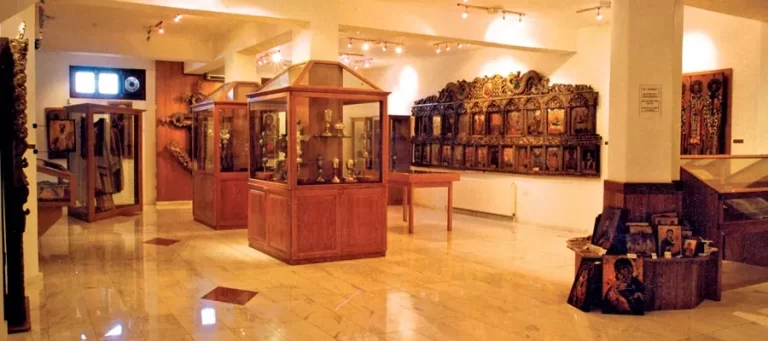
Byzantine Museum of Arsinoe
Icons of the XIII – XIX centuries and objects of church life in the inner regions of Chrysochous.

Icons of the XIII – XIX centuries and objects of church life in the inner regions of Chrysochous.
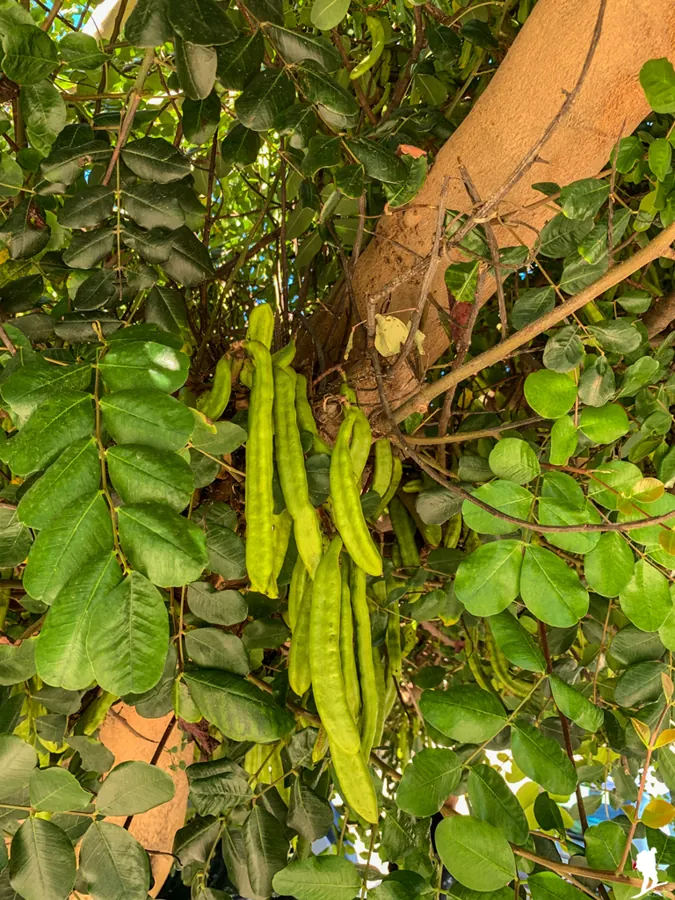
The carob tree is easy to recognize by its long dark beans and dense shiny leaves.
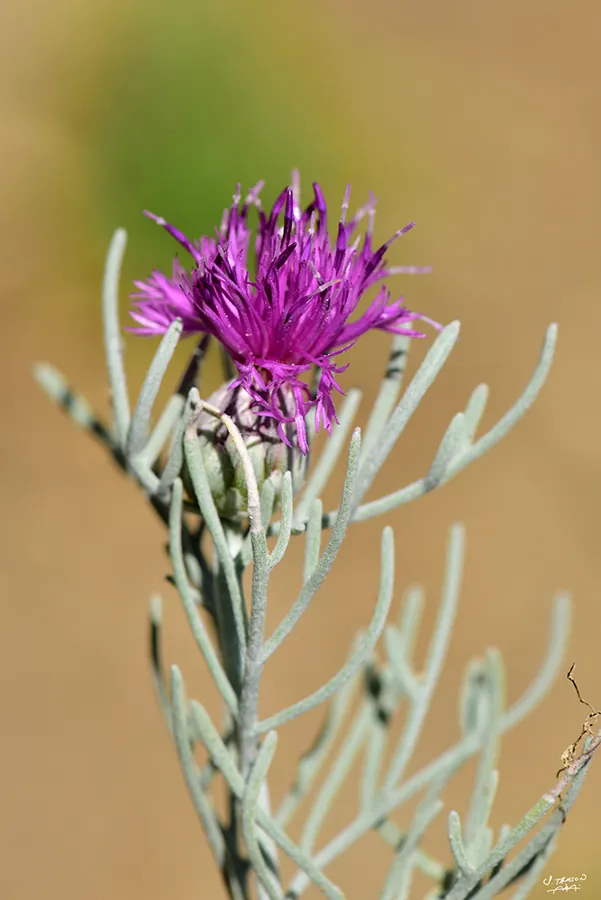
Centaurea akamantis — a small shrub with hanging or climbing shoots and purple-purple inflorescences.
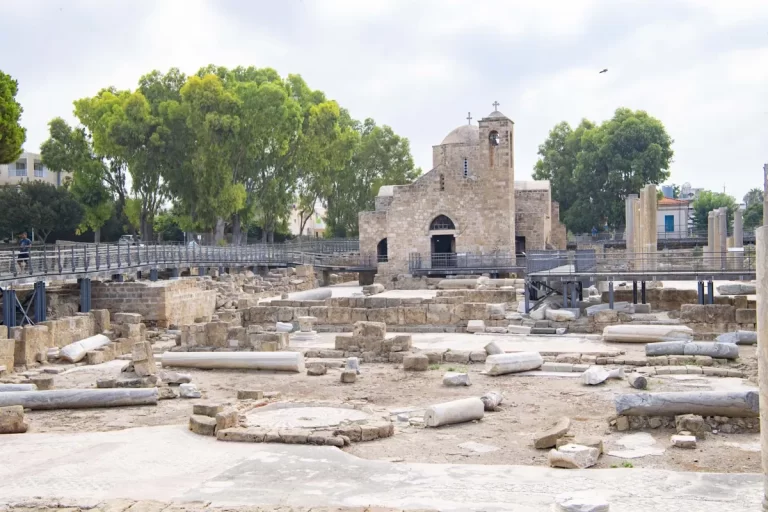
In the small functioning church of Ayia-Kiriaki there are mosaics and columns of a huge early Christian basilica. Several epochs of Christian Paphos are literally layered on each…
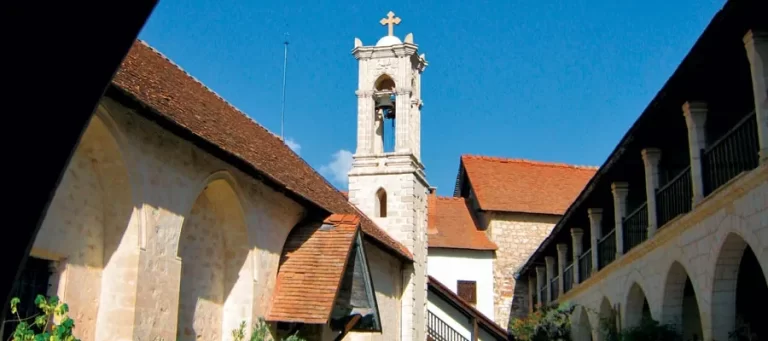
Chrysorroyatissa stands among the hills near Panagia. The monastery has a medieval history, and the look familiar to the visitor largely belongs to the 18th century.
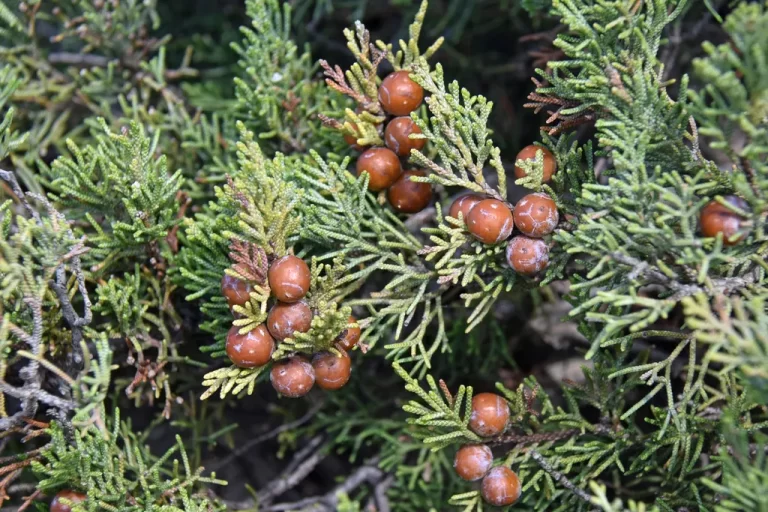
The coastal juniper forms evergreen thickets on Akamas and participates in the vegetation of sand dunes.
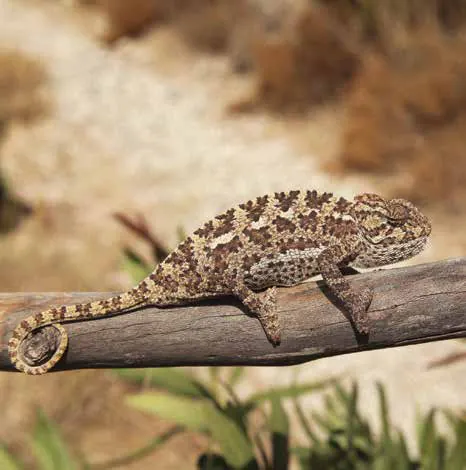
The chameleon is adapted to life among the branches: it has a compressed body on the sides, grasping fingers and a flexible tail that can wrap around the…
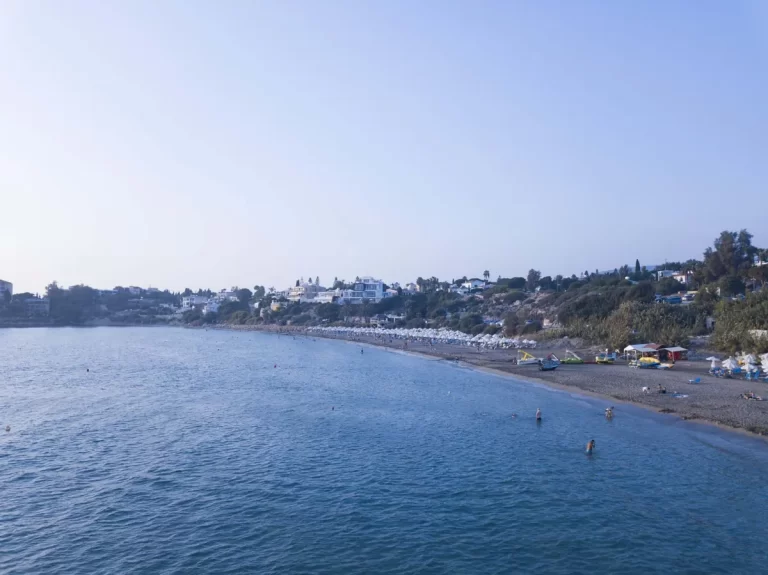
Coral Bay — a wide sand arc between the two capes at Peyia. It shows a very different appearance of the west bank than the neighboring rock caves…
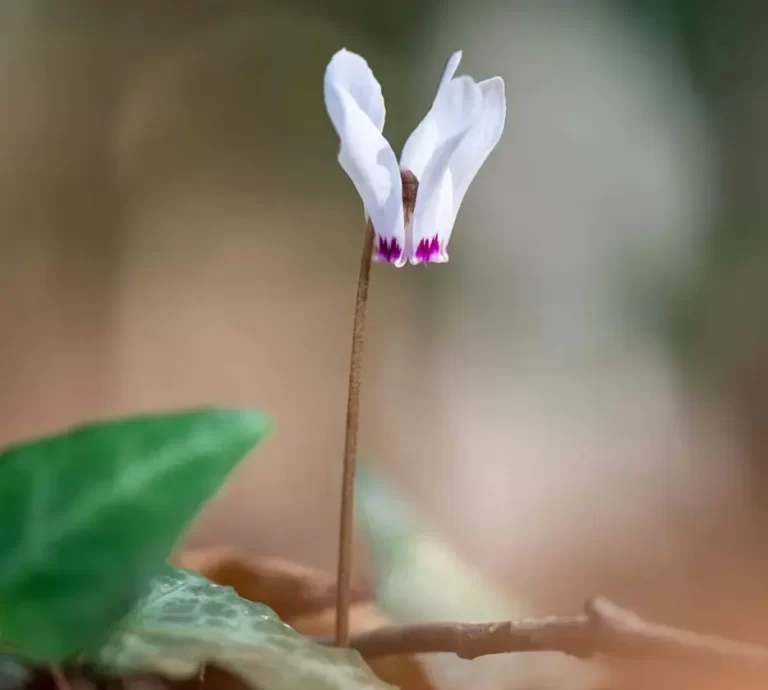
Cyprus cyclamen is recognized by white or very light pink flowers with curved petals and a dark mark at the base.
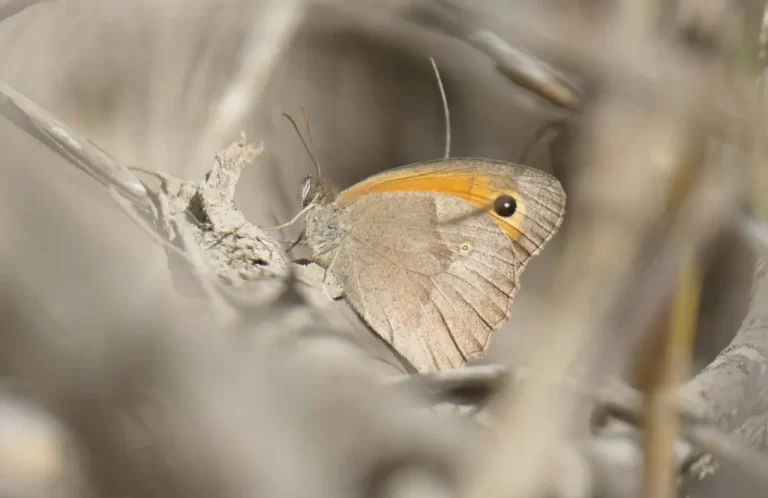
Cyprus meadow brown — brown butterfly with a prominent glazed spot on the front wing.
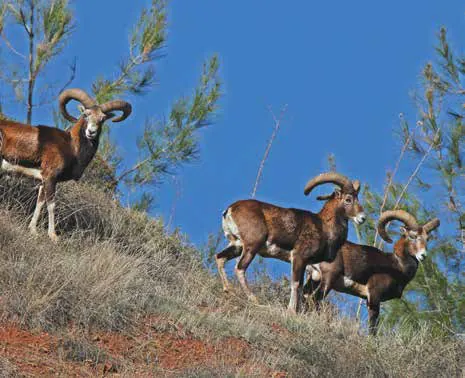
Cyprus mouflon — An island form of wild sheep associated with the forest and mountain landscapes of the western part of the island.
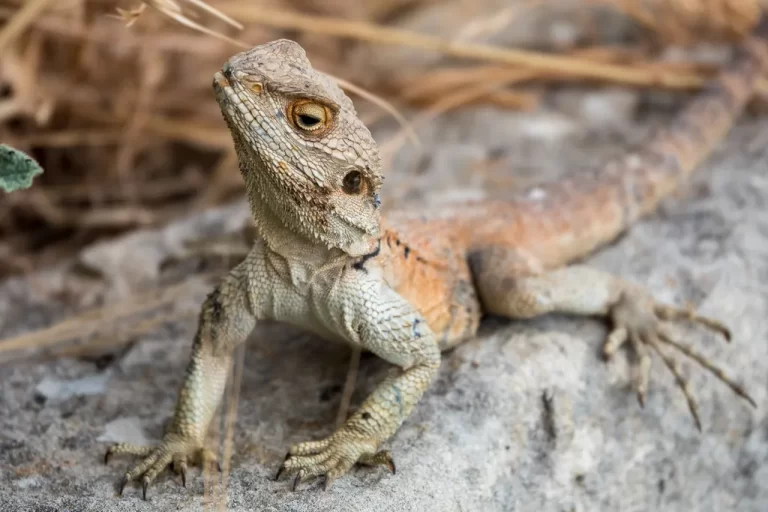
Rock Agama — one of the most prominent lizards of dry rocky Paphos.